Self-Mastery
Body Alchemy: How to Work With Your Body Instead of Against It
Discover how nervous system regulation, sleep, and physical energy shape your daily decisions, focus, and self-trust.
7 min read
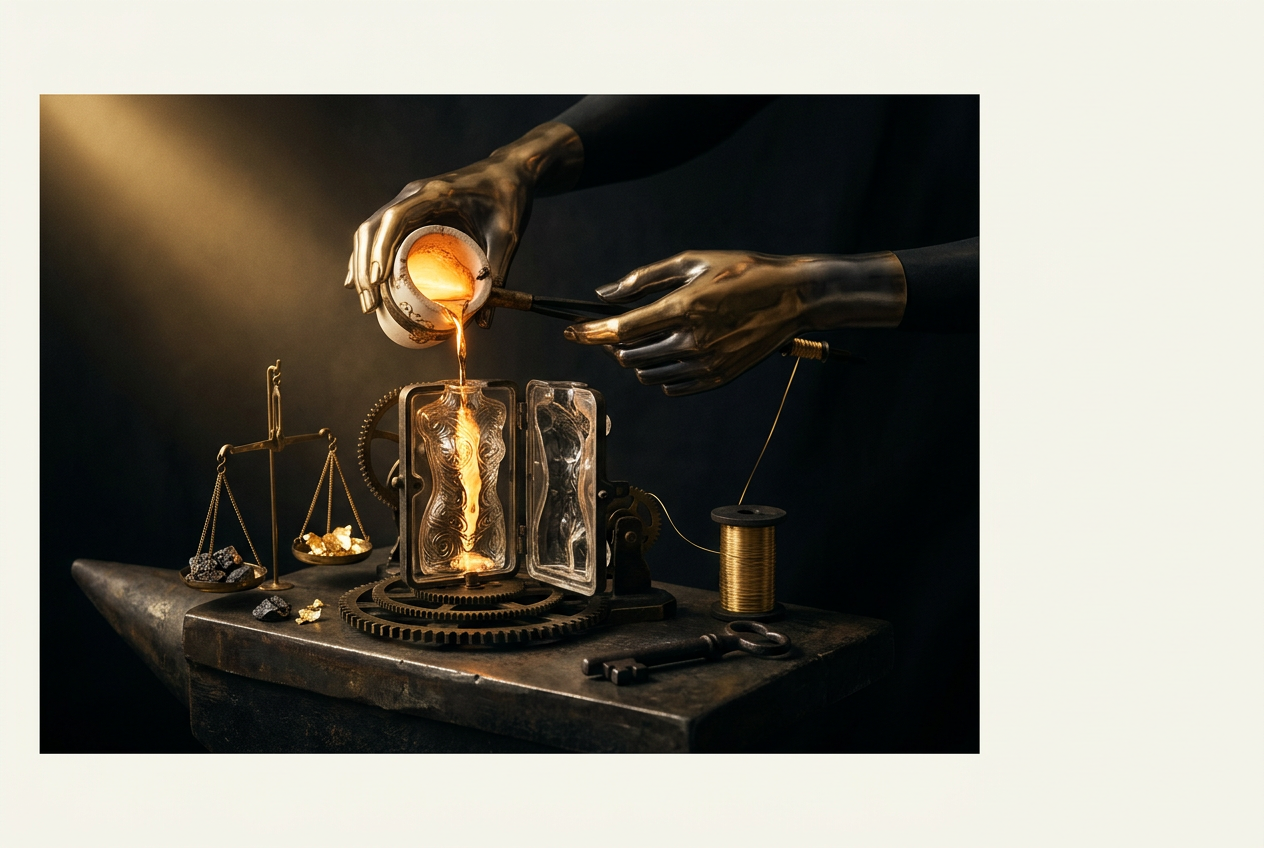
Body alchemy is the practice of working with your physical state—your nervous system, energy levels, and sleep patterns—instead of fighting against it. Rather than forcing your mind to override physical exhaustion, body alchemy teaches you to read physical signals as valuable data. When you align your daily actions with your body's current state, you naturally improve your focus, make better decisions, and build deep self-trust. It is the practical transformation of physical biology into mental clarity and emotional resilience.
To master your life, you must first master the vessel you live in. Too many of us treat our bodies like stubborn employees that need to be scolded into working harder. We drink extra coffee to bypass a poor night of sleep, force ourselves to stare at spreadsheets when our brains are completely offline, and wonder why we feel anxious, distracted, and uninspired. Body alchemy shifts this dynamic entirely.
The Core of Body Alchemy: Biology Over Brute Force
For years, self-improvement advice has focused on mindset. We are told to "mind over matter" our way through every obstacle. While willpower is a useful tool, it is also a finite resource. When you try to force mental focus over a depleted physical system, you are engaging in a losing battle.
Body alchemy is the art of transforming your physical state to support your mental and emotional goals. In The Alchemized Principles of Power by Brittany Johnson, this concept of internal alignment is central to sustainable success. Instead of fighting your biology, you learn to read it as a dashboard of real-time indicators.
Think of your physical body as the soil. You can plant the best intentions, plans, and goals, but if the soil is dry and starved of nutrients, nothing will grow. When you nourish the soil first, the seeds of your focus, discipline, and creativity take root effortlessly. This isn't about complex diets or intense physical regimens; it is about paying attention to the quiet signals your body sends you every single day.
How Your Nervous System Dictates Your Decisions
Your nervous system is the lens through which you view the entire world. When your nervous system is in a state of high alert—often called fight-or-flight—your brain processes everything as a threat. In this state, your prefrontal cortex, which handles logical thinking and long-term planning, gets quiet. Your amygdala, which handles survival, takes over.
If you try to map out your life or resolve a conflict while your heart is racing and your breathing is shallow, you will likely make choices based on fear. This physical state makes it incredibly difficult to see opportunities. You might find yourself wanting to hide, run away, or pick a fight over a minor issue.
This is why understanding your physical state is crucial when learning how to make hard decisions when there is no obvious right answer. If your body is screaming in survival mode, your decisions will naturally skew toward short-term safety rather than long-term growth. By changing your physical state first—taking deep belly breaths, walking away from your screen, or letting your shoulders drop—you shift your nervous system back into a state of safety. Only then can you make decisions you will be proud of tomorrow.
The Sleep and Energy Connection
We often treat sleep as a luxury or a reward for a hard day's work. In reality, sleep is the ultimate alchemical process. During sleep, your brain clears out metabolic waste, consolidates memories, and resets your stress hormones.
When you run on chronic sleep deprivation, your emotional baseline shifts. You become more reactive, less focused, and highly susceptible to self-doubt. You might believe you have a "mindset problem" or a "motivation problem," when in reality, you simply have a sleep problem.
The Misaligned Steering Wheel Example
Imagine trying to drive a car with a badly misaligned steering wheel. To keep the car moving straight down the highway, you have to pull hard to the left constantly. Your arms get tired, your shoulders ache, and you have to pay twice as much attention just to stay in your lane.
This is exactly what it is like to work against your physical energy. When you ignore your sleep debt and daily energy cycles, every simple task requires massive, exhausting effort. You are pulling hard on the wheel just to stay functional. When you prioritize rest and work with your natural energy peaks, the steering wheel aligns, and you can steer your life with a light, easy touch.
Building Self-Trust by Listening to Physical Signals
Every time you ignore a physical signal from your body, you break a micro-promise to yourself. If your eyes are burning and you tell yourself, "Just one more hour of work," you are teaching your nervous system that its input does not matter. Over time, this erodes your internal confidence.
You cannot build deep self-trust if you treat your body like an adversary. When you learn to listen to your physical boundaries, you build a steady, reliable relationship with yourself. This internal alliance is the foundation of genuine resilience.
If you are trying to understand how to rebuild confidence after failure, start with the physical body. After a setback, your body often holds onto physical tension, shame, or exhaustion. Acknowledging these physical sensations and giving your body what it needs to recover—whether that is rest, gentle movement, or time away from pressure—tells your system that you are safe. This physical safety allows you to bounce back with genuine strength rather than forced positivity.
"Your body is not a machine to be optimized; it is a partner to be consulted."
Practical Steps to Align Your Body and Mind
Working with your body does not require a complete lifestyle overhaul. It requires small, consistent moments of awareness throughout your day. Here is a simple, actionable process you can use to practice body alchemy starting today:
- Perform a Three-Second Scan: Three times a day, pause and notice where you are holding tension. Are your shoulders up near your ears? Is your jaw clenched? Is your belly tight? Soften these areas immediately.
- Match Your Tasks to Your Energy: Identify your peak energy windows. Save high-focus, creative, or strategic tasks for these times. Use low-energy windows for routine admin, organizing, or resting.
- Create Physical Transition Rites: When switching from work mode to personal time, use a physical trigger to signal the shift to your nervous system. Wash your face, stretch for two minutes, or step outside to look at the horizon.
- Regulate Through Breath: When you feel a spike of stress or overwhelm, lengthen your exhales. Breathing out longer than you breathe in signals your brain that you are safe, instantly lowering your heart rate.
By building these small habits, you master the basics of how to achieve high-performance success without burning out. You learn to ride the waves of your energy instead of being crushed by them.
Translating Physical Alignment into Daily Focus
Focus is not a mental muscle you can simply flex harder; it is a byproduct of physical ease. When your body is comfortable, well-rested, and hydrated, your brain does not have to spend energy managing physical discomfort. That freed-up energy naturally directs itself toward your work.
If you find yourself constantly losing focus, stop trying to stare harder at the screen. Instead, stand up. Stretch. Take ten deep breaths. Drink a glass of water. Step into a different room for two minutes. By shifting your physical environment and physical state, you break the loop of distraction and reset your mental bandwidth.
Body alchemy is not about achieving physical perfection. It is about developing a deep, respectful relationship with your body. When you stop fighting your biology and start working with it, you unlock a sustainable source of power, clarity, and peace.
Frequently Asked Questions
What is the difference between body alchemy and basic self-care?
Basic self-care is often reactive, like taking a bath after a highly stressful week to recover. Body alchemy is a proactive, daily collaborative relationship with your physical state. It is about using your body’s signals as real-time data to guide your decisions, boundaries, and schedule before you reach the point of exhaustion.
How do I know if my nervous system is dysregulated?
Signs of a dysregulated nervous system include constant feelings of urgency, chronic shallow breathing, a tight jaw, digestive issues, and an inability to rest even when you are exhausted. If you find yourself constantly reacting to minor inconveniences with high anger or anxiety, your body is likely stuck in a survival state.
Can I still be productive when my physical energy is low?
Yes, but productivity will look different. Instead of forcing heavy creative or strategic work, shift your focus to low-energy tasks like organizing your files, cleaning your workspace, or catching up on light reading. Working with your low energy rather than fighting it keeps you moving forward without draining your battery completely.
How long does it take to build self-trust with my body?
You can begin building self-trust immediately. Every time you pause to take a deep breath when stressed, or choose to rest when your body asks for it, you strengthen that relationship. Within a few weeks of consistent listening, you will notice less physical tension, quicker emotional recovery, and sharper mental clarity.