Alchemy
"The Alchemy" and What It Really Says About Transformation
Reading the song's chemistry metaphor as a practical model for change
7 min read
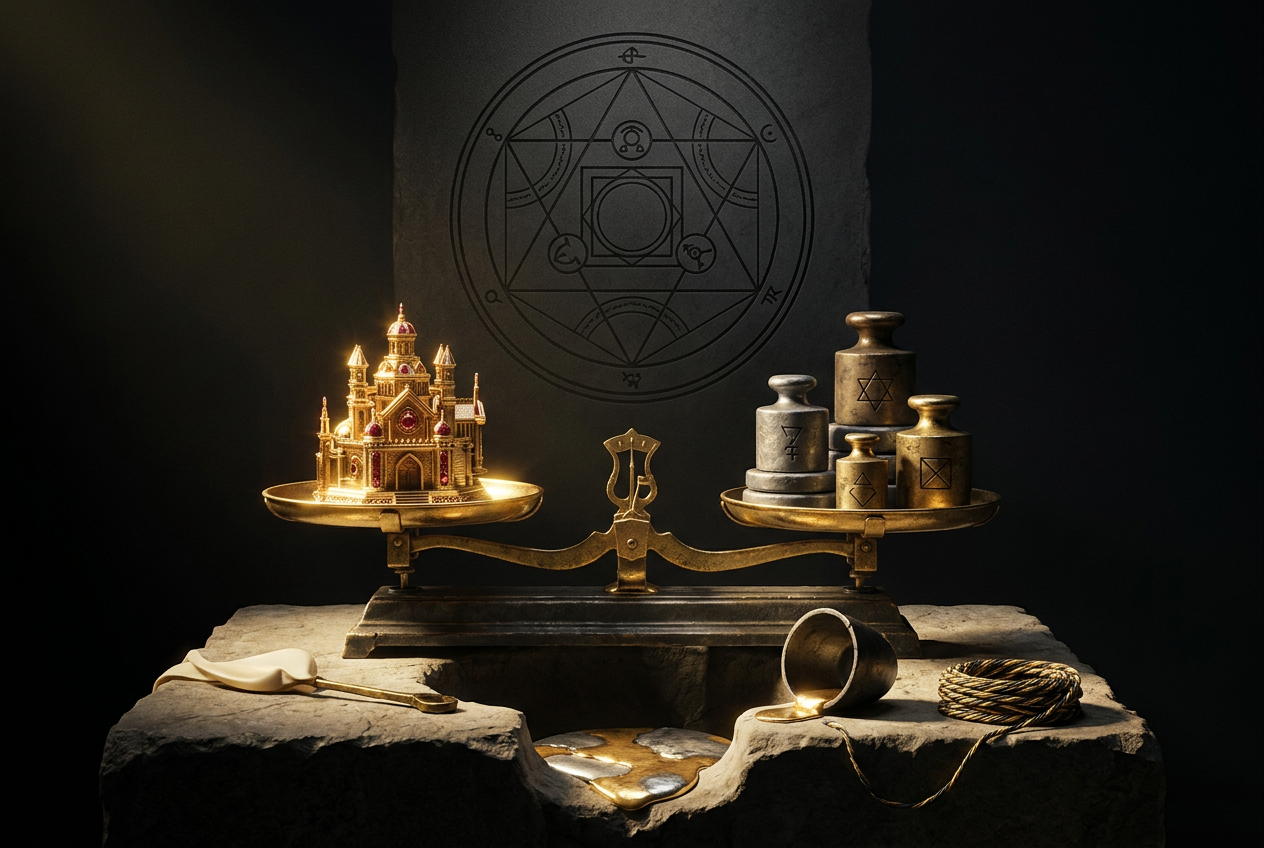
"The Alchemy" is the track on Taylor Swift's The Tortured Poets Department that borrows the language of alchemy — heat, chemistry, gold, transmutation — to describe a relationship that turns something ordinary into something rare. Listeners search for the lyrics and the meaning because the song does what alchemy has always done: it treats change as a craft rather than an accident. Underneath the sports metaphors and the "so when I touch down, call the amateurs and cut 'em from the team" swagger is a genuinely useful idea. Transformation happens when the right elements meet the right conditions, and conditions are something you can build on purpose.
What the song is actually describing
Strip away the imagery and "The Alchemy" is about timing, chemistry, and return. Something that had gone cold gets heat applied to it. The result is not a repair of the old thing; it is a different thing entirely, with a different value.
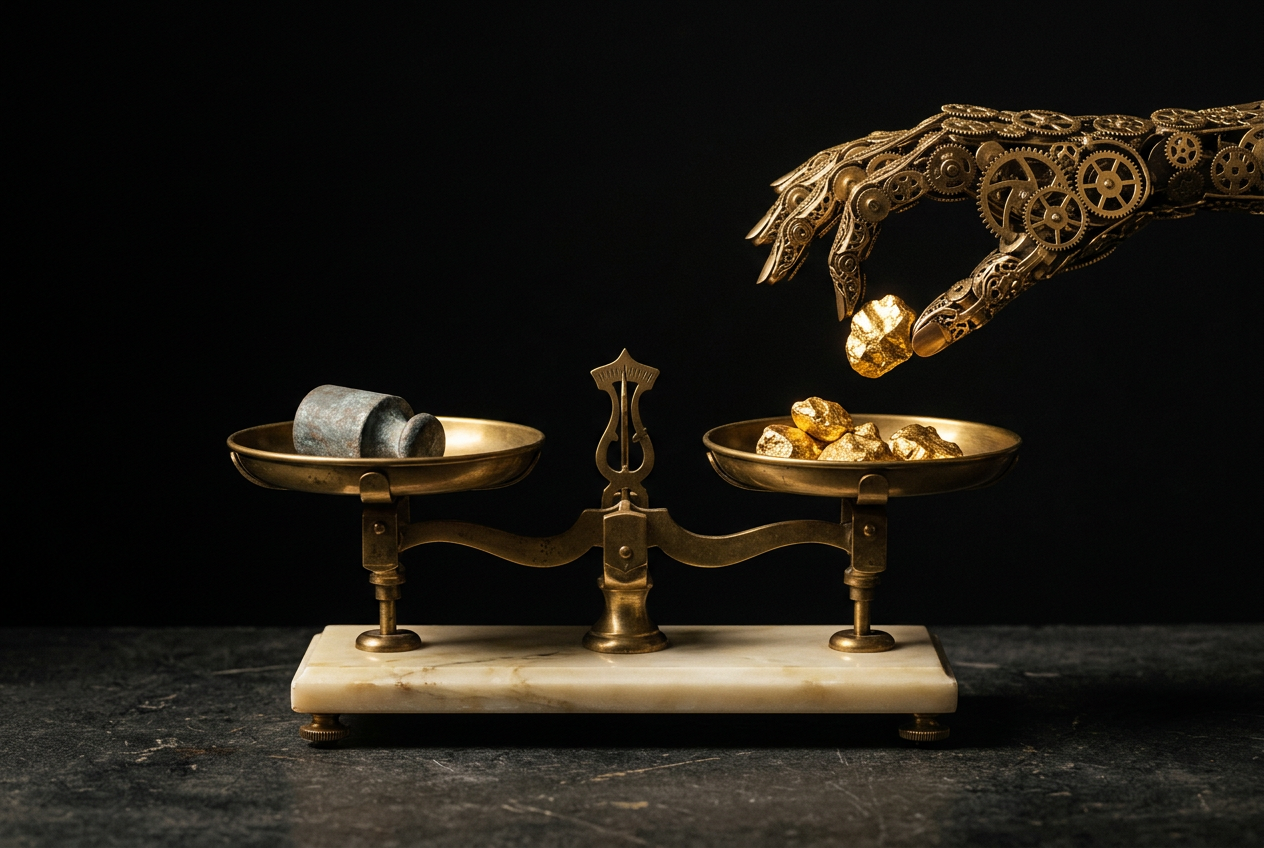
That is the exact definition of transmutation. Alchemists did not clean lead. They claimed to change what it fundamentally was. When the song reaches for "these chemicals hit me like white wine," it is naming the felt experience of a state change — the moment your body registers that something has shifted and there is no going back to the previous version.
Most people never apply that framing to themselves. They treat their own patterns as fixed traits: I'm just anxious, I'm bad with money, I've always been the one who leaves. Alchemy, as a metaphor, refuses that. It insists that raw material is raw material, and that what it becomes depends on what you do to it.
Chemistry is not luck — it is conditions
The most misread word in the song is "chemistry." People hear it as fate: either you have it or you don't. Actual chemistry is the opposite of fate. A reaction requires specific inputs, a specific temperature, and enough time. Change any one of those and nothing happens.
Apply that honestly to your own life and the questions get much more practical:
- Inputs. Who and what are you regularly in contact with? Your inputs are your friends, your feed, your reading, your sleep, and your bank balance. Nothing transforms in isolation.
- Temperature. Are you under enough pressure to change, or so much pressure that you can only survive? Growth needs heat, not a fire.
- Time. Are you giving a change long enough to take, or abandoning each one at the two-week mark and calling yourself undisciplined?
When people say a relationship, a job, or a habit "had no chemistry," what usually happened is that one of those three conditions was missing. That is a diagnosis, not a verdict.
The lyric that matters most: "where's the trophy?"
The song's recurring return to trophies and championships points at something worth taking seriously — the difference between a win and a season.
A trophy is a single outcome. A season is a system that produces outcomes repeatedly. Most people chase trophies: the launch, the reconciliation, the number on the scale. They get one, feel nothing lasting, and go looking for the next one.
The alchemical read is different. The gold was never the point. The process that can produce gold is the point, because a process can be run again. If you learned how you got there, you own something permanent. If you only got there, you own a memory.
Ask yourself, after anything that worked: Could I do that again on purpose? If the answer is no, you have a trophy. If the answer is yes, you have a practice.
How to run the reaction on your own life
Here is a way to use the metaphor without turning it into vague inspiration.
- Name the lead. Pick the one situation you keep flinching from — the debt, the silence with a family member, the résumé you don't want to look at. Vagueness is the enemy of change; write the actual thing down in a sentence.
- Name what it costs you weekly. Not abstractly. In hours, dollars, or sleep. Cost is what supplies the heat.
- Choose the smallest real reaction. One phone call. One statement opened. One page written. Reactions start small and then run on their own.
- Set the temperature deliberately. Add accountability if you are too comfortable to move. Remove obligations if you are too overloaded to think.
- Let it run for six weeks. Long enough to see whether the change holds under a normal, unglamorous month.
- Record what worked. In two lines. This is how a one-time win becomes a repeatable method.
Why art keeps returning to alchemy
Alchemy has outlasted the science it was replaced by because it is the best available language for a real human experience: the sense that suffering can become something else, and that the something else can be valuable.
Songs, films, and novels keep using it because audiences recognize it instantly. You have been the raw material. You have been through heat you did not choose. You already know that some of what you are proudest of came out of the worst year you had.
The honest version of the metaphor keeps two things in view at once. Pain is not automatically valuable — plenty of it is simply wasted. But pain that gets examined, named, and converted into a changed way of operating becomes leverage nobody can take from you. The difference between the two is entirely in what you do afterward.
Frequently Asked Questions
What does Taylor Swift's "The Alchemy" mean?
The song uses alchemical and sports imagery to describe a relationship rekindling and becoming more valuable than it was before. Its broader theme is transmutation: the idea that the right conditions can turn something ordinary or cold into something rare, rather than simply restoring it.
Is alchemy in the song literal?
No. Alchemy functions as a metaphor for chemistry between people and for change that alters something's fundamental nature. The historical practice of turning base metals into gold is used as a symbol, not a claim.
How can I apply the idea of alchemy to my own life?
Treat your difficulties as raw material rather than verdicts. Identify one specific situation, name what it costs you each week, take the smallest concrete action available, hold it for six weeks, and write down what actually worked so you can repeat it.
What is the difference between a trophy and a system?
A trophy is one outcome you achieved once. A system is a repeatable process that produces outcomes. Chasing trophies leaves you starting over each time; building systems means each win teaches you how to create the next one.